Four areas, one course
We work in four areas: livestock health, research and innovation, access to medicines, and sustainability. They form a single, connected agenda rather than four separate programs. Climate change, food insecurity, and disease bear on the same populations, and progress in any one area depends on the others.
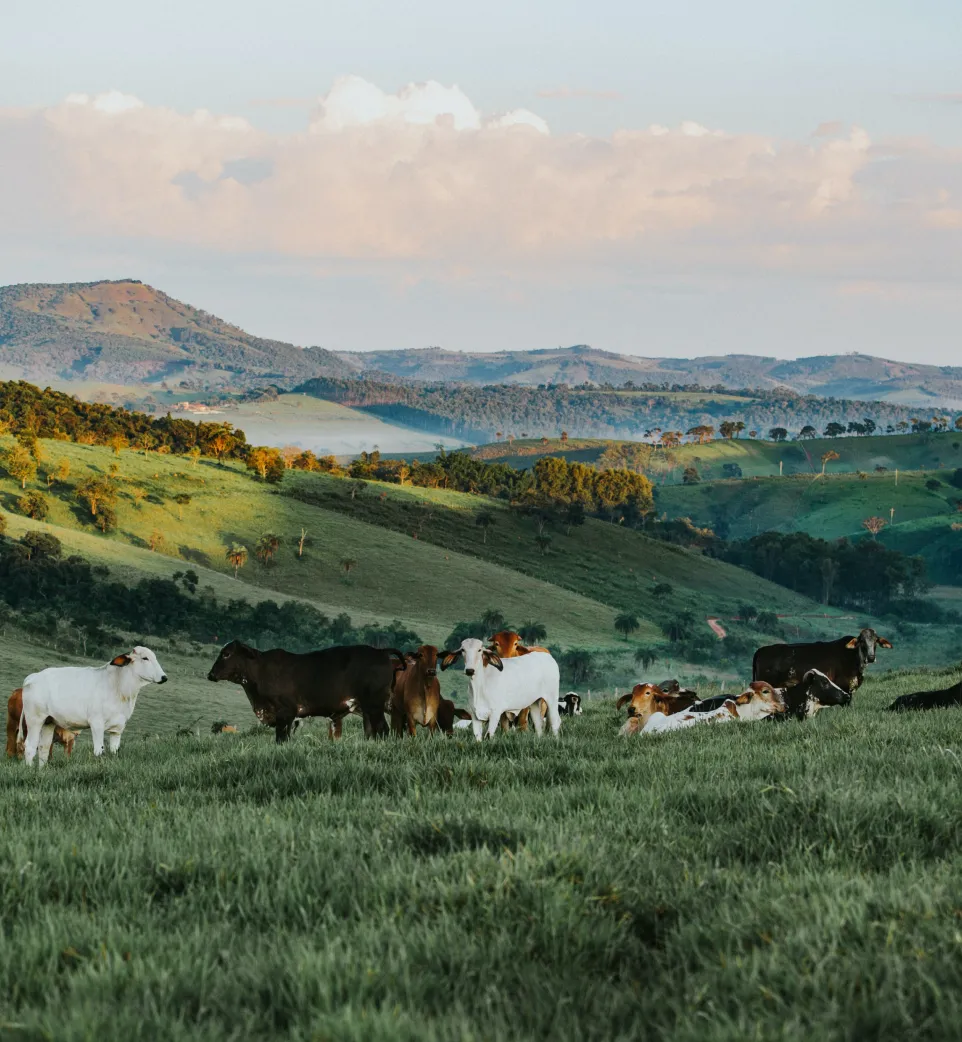
N · Livestock
A more secure food supply, built on animal health.
Livestock supports the livelihoods of nearly 1.3 billion people and much of the world’s protein supply. Meeting rising demand without straining animal health, welfare, or the environment is the sector’s defining problem.
We invest in more efficient approaches to livestock management — ones that keep high-quality nutrition available and affordable to those most at risk, and reduce the environmental cost of producing it. The Domuschiev family built Huvepharma into the world’s sixth-largest livestock health company; we apply that operating knowledge here.
The stakes reach well beyond the plate. The livestock sector accounts for an estimated 14.5 percent of human-induced greenhouse gas emissions, even as animal manure sustains crop yields and herds put harsh land unsuitable for crops to productive use. The genetic diversity of animal stocks matters just as much: it is a vital, irreplaceable resource that lets producers adapt as conditions change.
E · Research & Innovation
Investing in the treatments and preventative medicines that come next.
In an age of increasing uncertainty, research and innovation are what turn scientific knowledge into new treatments and medicines — and, in turn, into better quality of life. That work is long and demanding, and first-of-a-kind preventative treatments are the hardest of all to develop.
We invest in the companies behind them, from early research through to finished products. Among these commitments is funding the research and development needed to bring a full malaria treatment to market.
The need grows more urgent each year. Severe weather strains healthcare infrastructure and widens the range of disease-carrying vectors like mosquitoes, making resilient treatment and prevention harder to sustain. We are building an integrated biotech ecosystem — pairing scientific knowledge and critical thinking with current technology — to meet healthcare needs as they change.
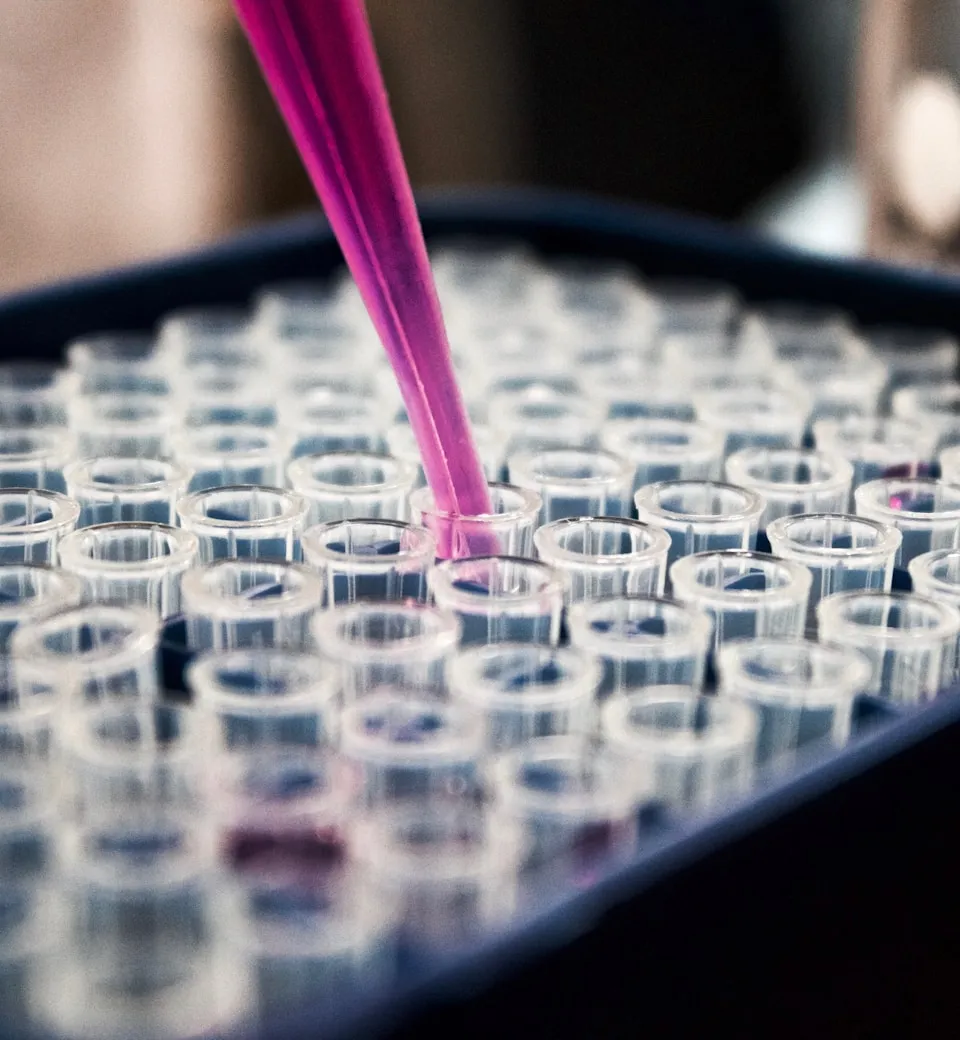
S · Access
Equitable access to affordable medicines.
A third of the world’s population lacks reliable access to essential medicines. Prices swing with an unstable marketplace, and that instability puts millions of lives at risk.
Domuschiev Impact backs pharmaceutical companies willing to move past traditional drug-development models: building supply chains with few intermediaries, holding treatments free of added mark-ups, and keeping medicines low-cost and widely available in developing countries and communities worldwide.
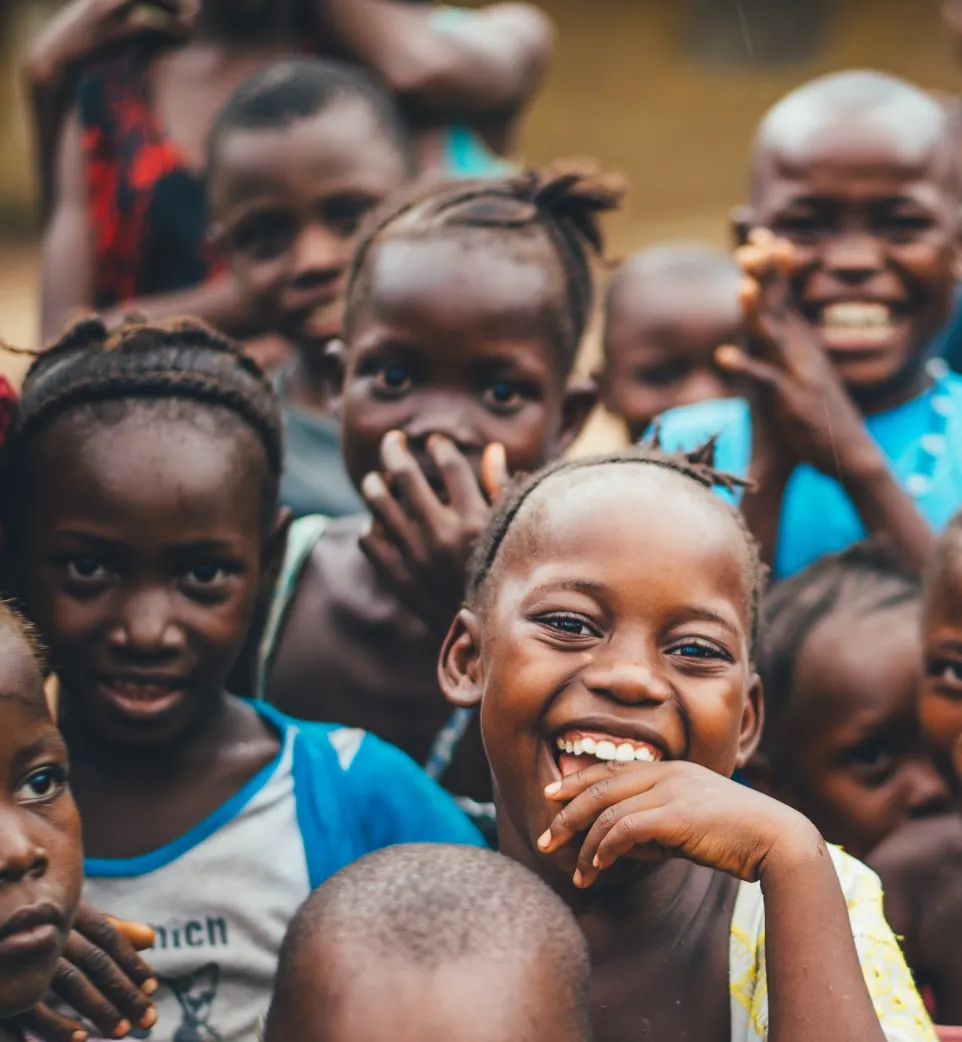
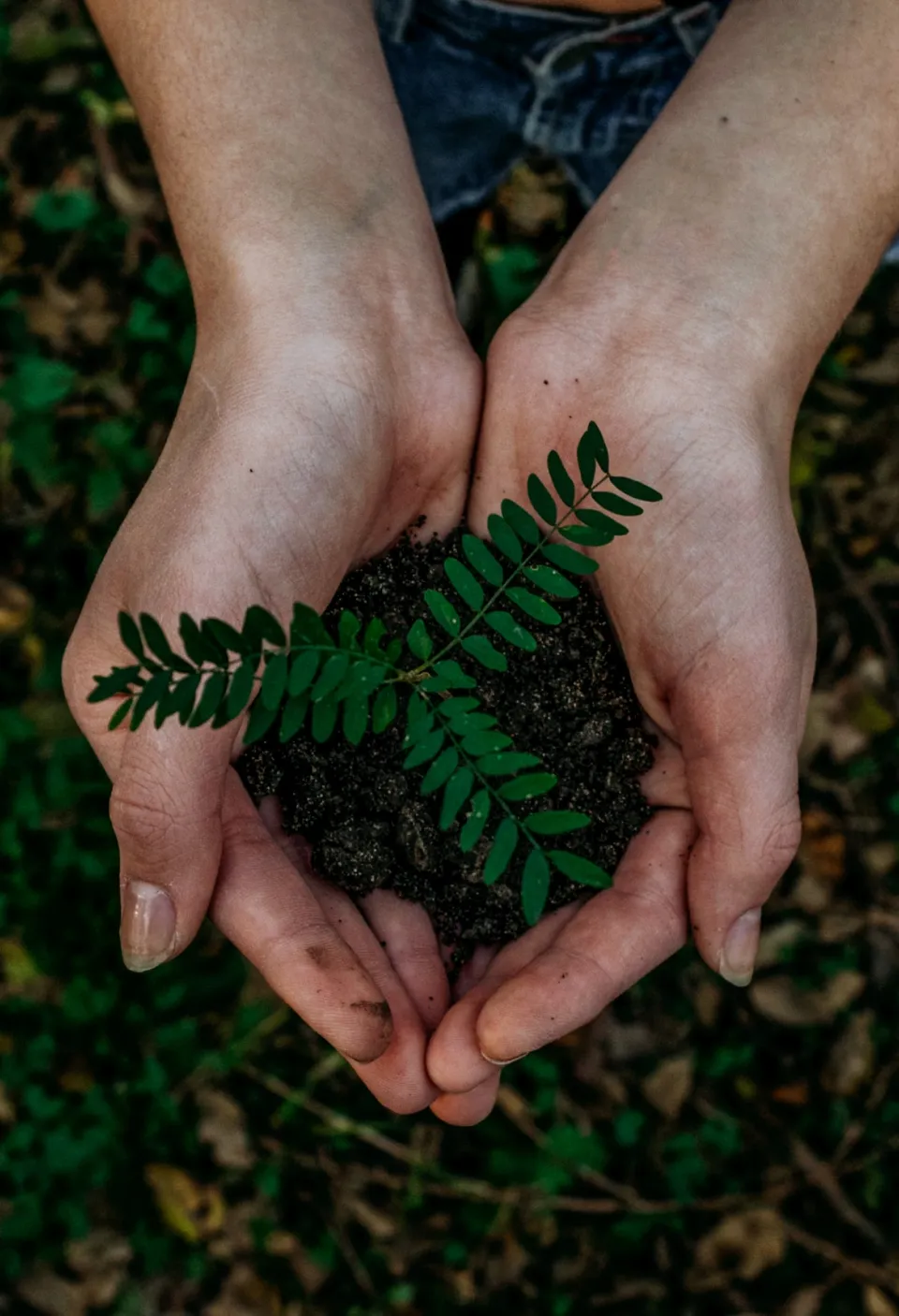
W · Sustainability
A sustainable cycle for a thriving, resilient economy.
Severe weather events fall hardest on the world’s developing regions, where they compound food and water insecurity and displacement. A growing population and a changing climate make resource stability harder to hold each year.
We work with local environments to close the resource cycle and power a resilient economy, and we partner with like-minded organizations to extend the reach of that work. Interconnected challenges call for connected responses.
Getting there takes more than protecting resources. Incubators and accelerators scale promising ideas, cross-sector collaboration spreads them, and supportive policy sustains them — the mechanisms that turn practices like crop rotation, agroforestry, and renewable energy into working systems.
Leadership in Action
Change at the scale required.
The problems worth solving are too large for any one sector to carry alone. We bring business, government, and philanthropy together to make progress on them — and we are looking for partners to build with.