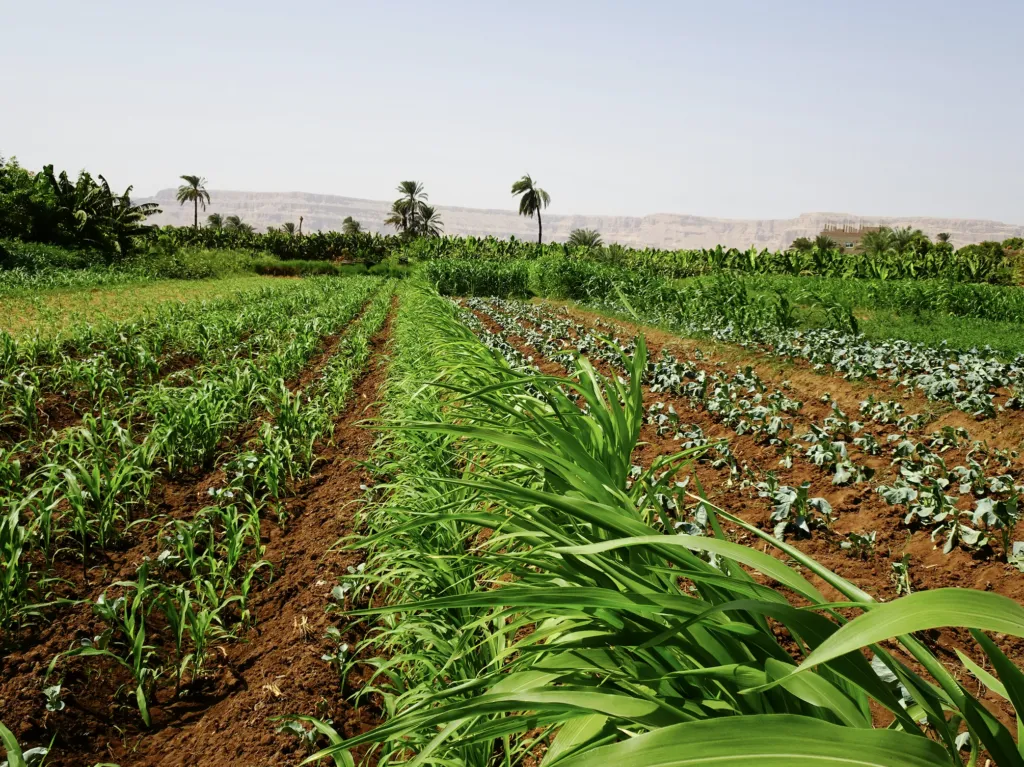
Africa faces a deepening food security crisis that reaches far beyond its borders, straining global stability, economic resilience, and humanitarian efforts.
Climate change, conflict, economic disruption, and rapid population growth all press on the continent’s food systems. Addressing them is not a regional concern but a global necessity.
Escalating Hunger Across the Continent
In 2021, roughly 795 million Africans — nearly 60 percent of the continent’s population — faced moderate or severe food insecurity, and 278 million were undernourished. In West and Central Africa, more than 40 million people struggle to secure enough food, a figure projected to reach 52 million by mid-next year. In Nigeria, 26.5 million people were projected to face high levels of food insecurity in 2024, with approximately 9 million children at risk of acute malnutrition.
Climate Change: A Catalyst for Crisis
Climate change is a major driver of food insecurity in Africa. Climate-related factors have cut the continent’s agricultural productivity growth by 34 percent since 1961. The Horn of Africa is enduring its worst drought in over 40 years, deepening hunger and malnutrition. In southern Africa, a historic drought has left 27 million people and 21 million children suffering severe malnutrition.
Global Implications of Africa’s Food Insecurity
- Migration and displacement: food insecurity drives displacement, with over 20 million people forcibly displaced in East Africa alone.
- Economic impact: the continent’s annual food import bill has risen to $90 billion, up from $35 billion in 2022.
- Security concerns: food shortages can fuel social unrest and conflict, destabilizing regions and posing security risks beyond Africa’s borders.
Pathways to Resilience
Resilience will take investment in agriculture, climate adaptation, and stronger policy and governance. The African Union’s focus on sustainable food production and the World Bank’s investment in the Great Green Wall project are steps in the right direction.
A Call to Global Action
Africa’s food security is not isolated; it is bound up with global health, economic stability, and security. When we invest in Africa’s food systems, we invest in a more stable and prosperous global future.